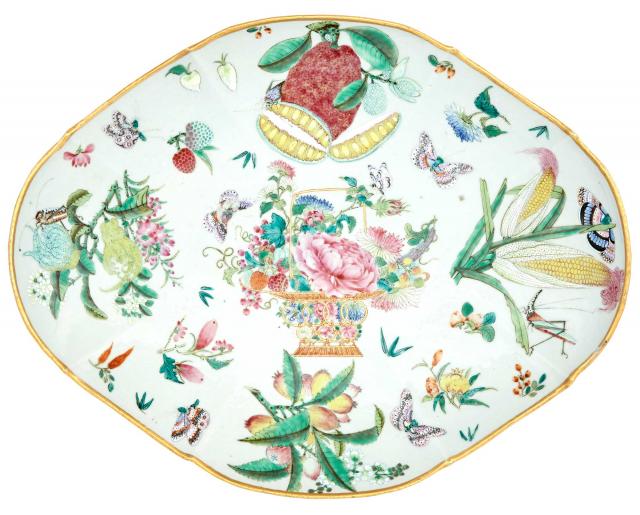
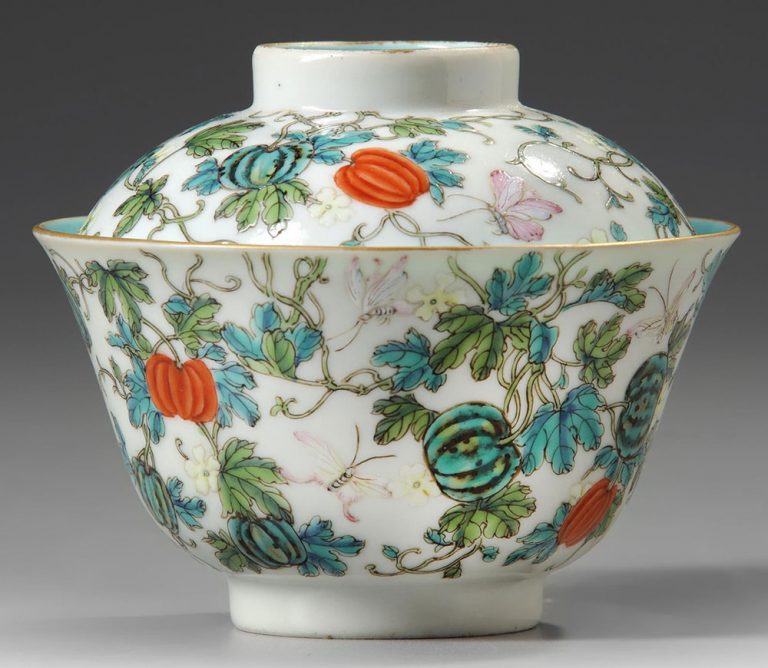
The term famille rose refers to the color palettes used in Chinese porcelain. Famille rose was introduced late in the reign of the Kangxi Emperor (1661–1722), possibly around 1720. It…
The Qianlong Reign dates between 1736 and 1795 and falls within the Qing Dynasty. The Qianlong Emperor (25 September 1711 – 7 February 1799) was the sixth Emperor of the…
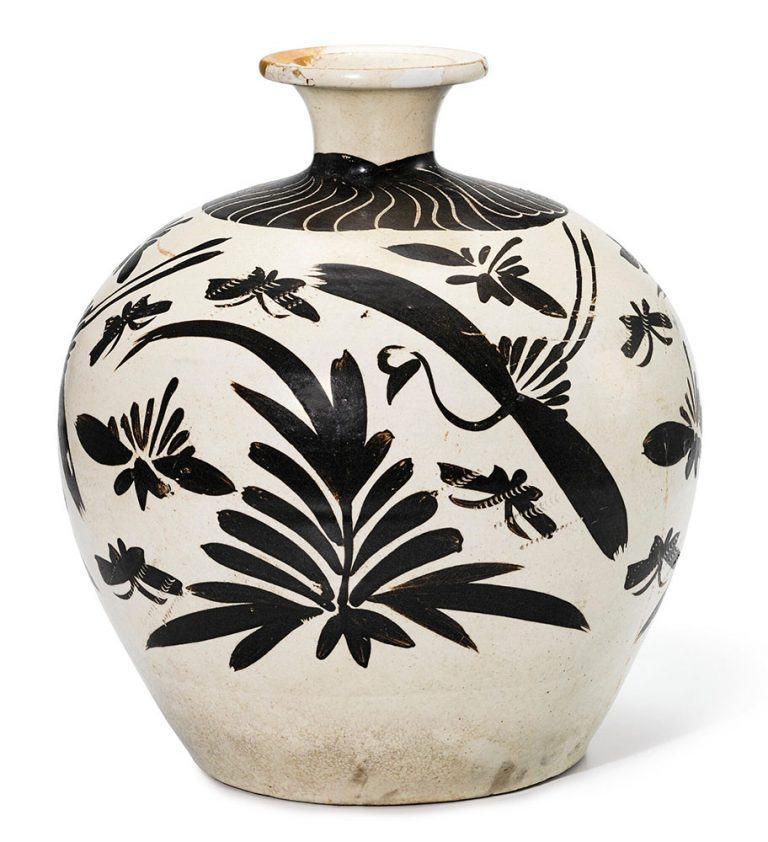
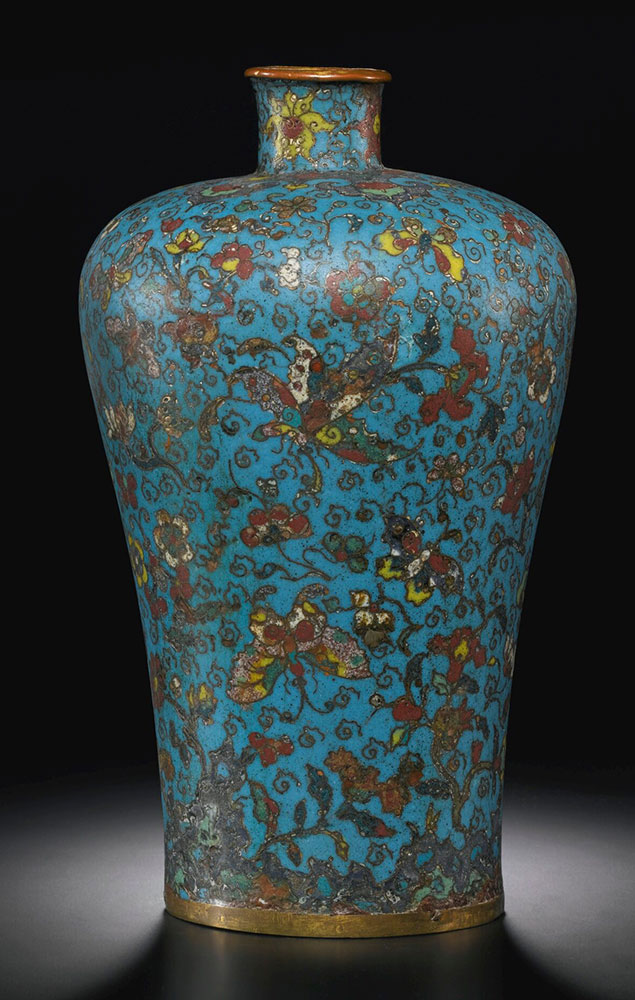
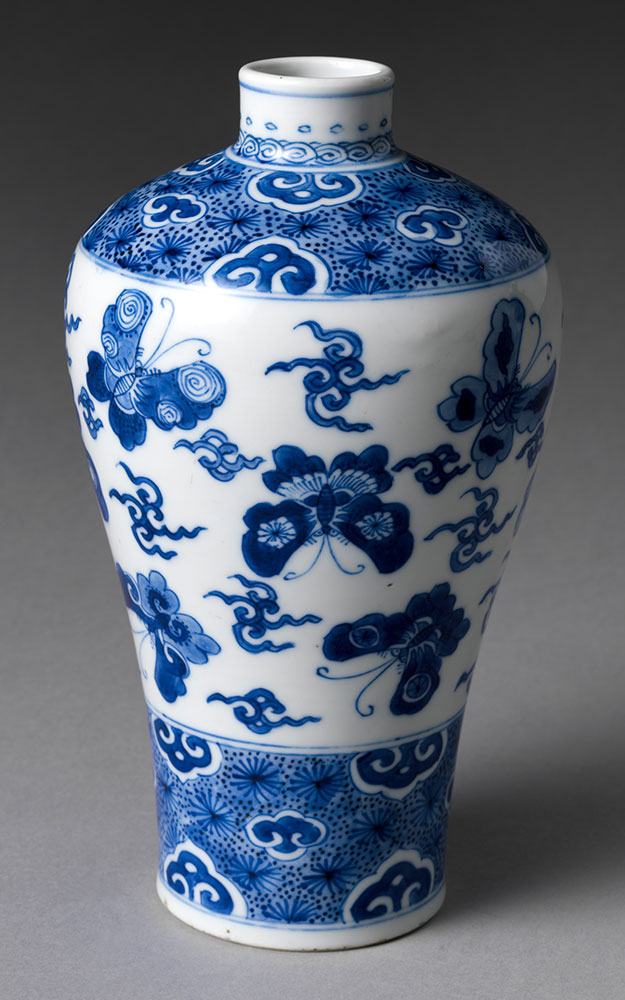
A meiping is a type of vase in Chinese ceramics. It is traditionally used to display branches of plum blossoms. The meiping was first made of stoneware during the Tang…
The Qing dynasty, officially the Great Qing , was the last imperial dynasty of China. It was established in 1636, and ruled China proper from 1644 to 1911. It was…
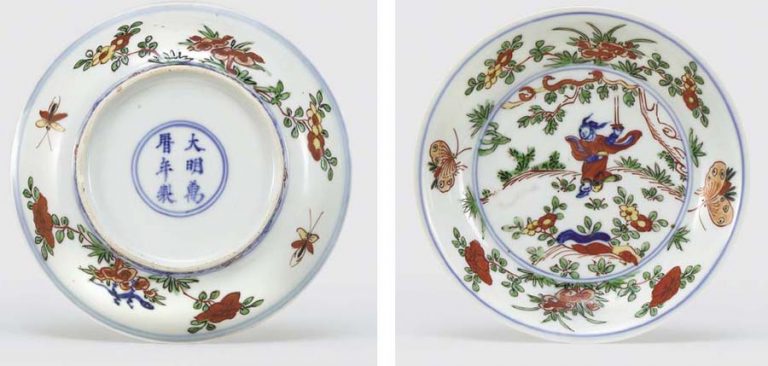
The Ming dynasty, officially the Great Ming, was the ruling dynasty of China from 1368 to 1644 following the collapse of the Mongol-led Yuan dynasty. The Ming dynasty was the…
The Song dynasty (960–1279) was culturally the most brilliant era in later imperial Chinese history. A time of great social and economic change, the period in large measure shaped the…
The Tang Dynasty or the Tang Empire was an imperial dynasty of China that ruled from 618 to 907, with an interregnum between 690 and 705. It was preceded by…
Ceramic glaze is an impervious layer or coating of a vitreous substance which has been fused to a ceramic body through firing. Glaze can serve to color, decorate or waterproof…
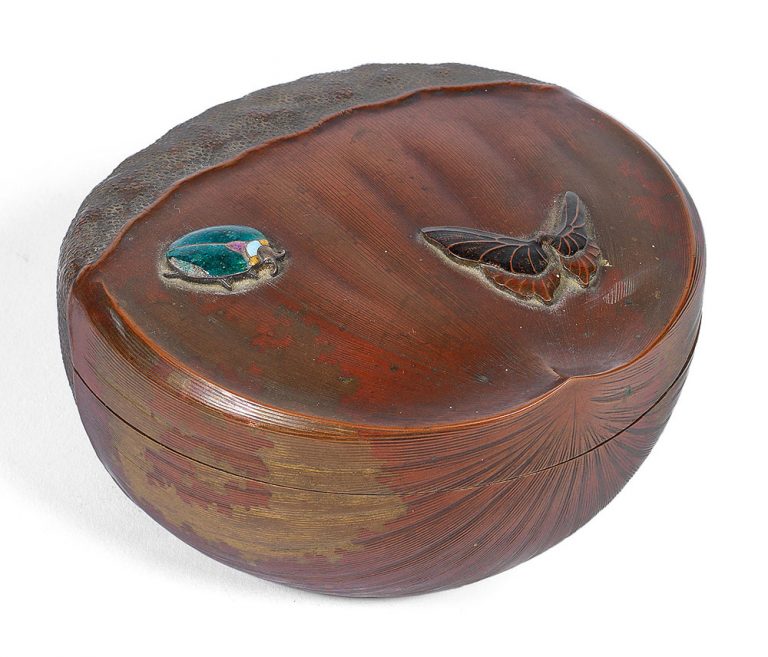
Copper Butterflies. Copper is one of the few metals that can occur in nature in a directly usable metallic form (native metals). This led to very early human use in…
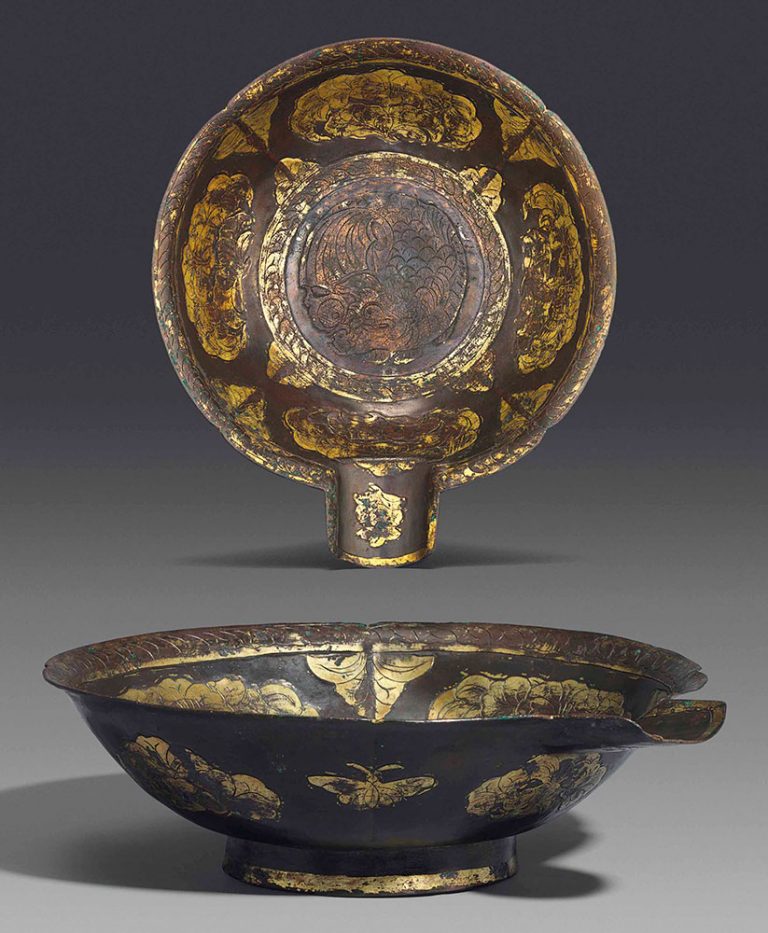
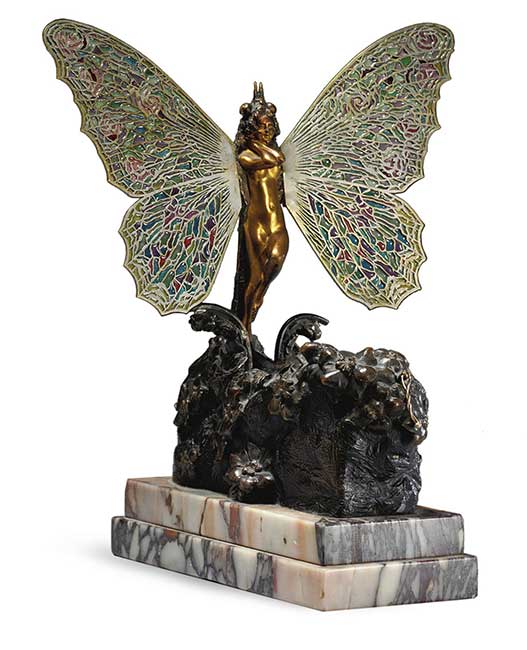
Ormolu / Gilt Bronze is the gilding technique of applying finely ground, high-carat gold–mercury amalgam to an object of bronze, and for objects finished in this way. The mercury is…